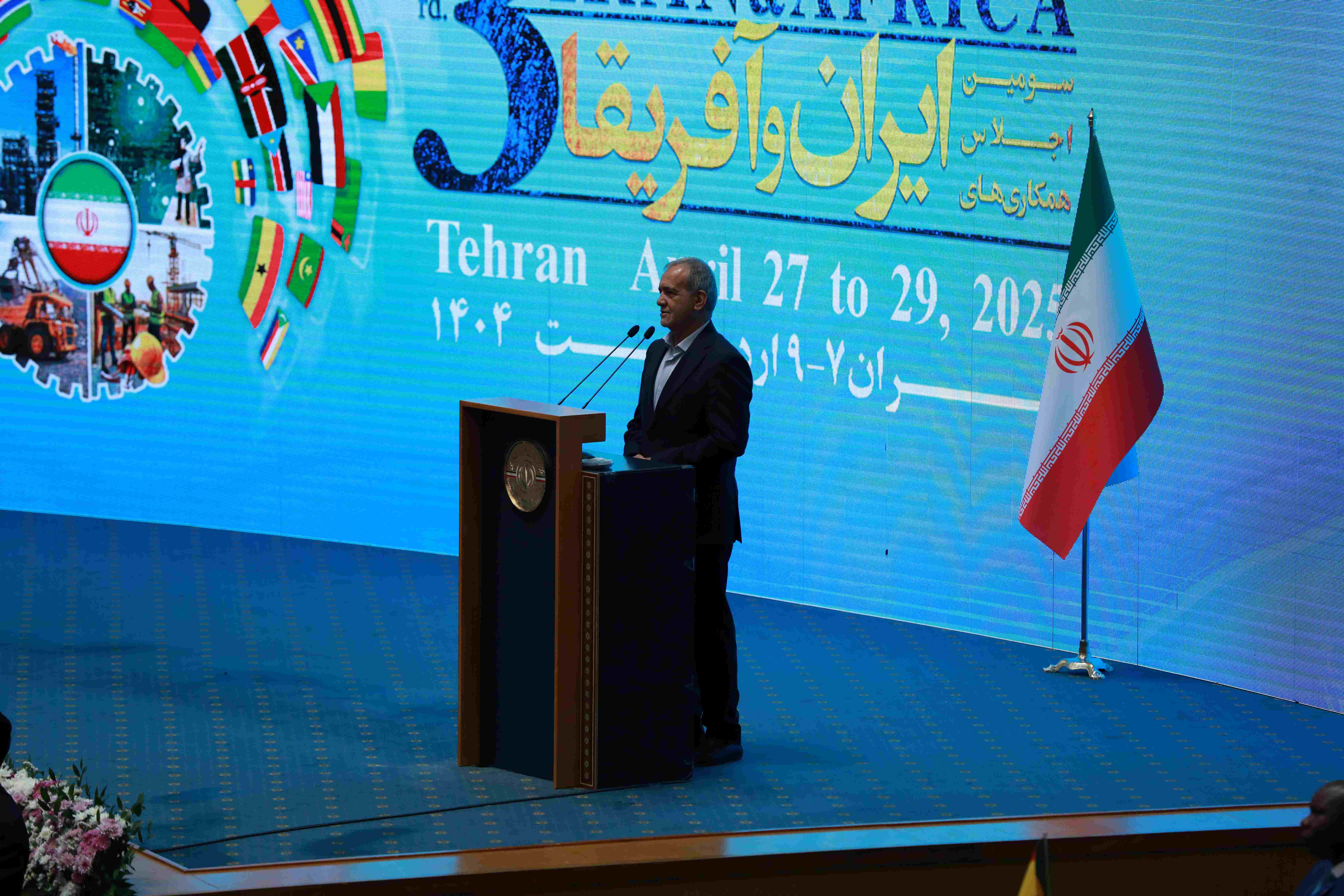
3th Iran-Africa Conference

Iran Afric – April 27 to May 1, 2025 (7 to 11 Ordibehesht 1404)
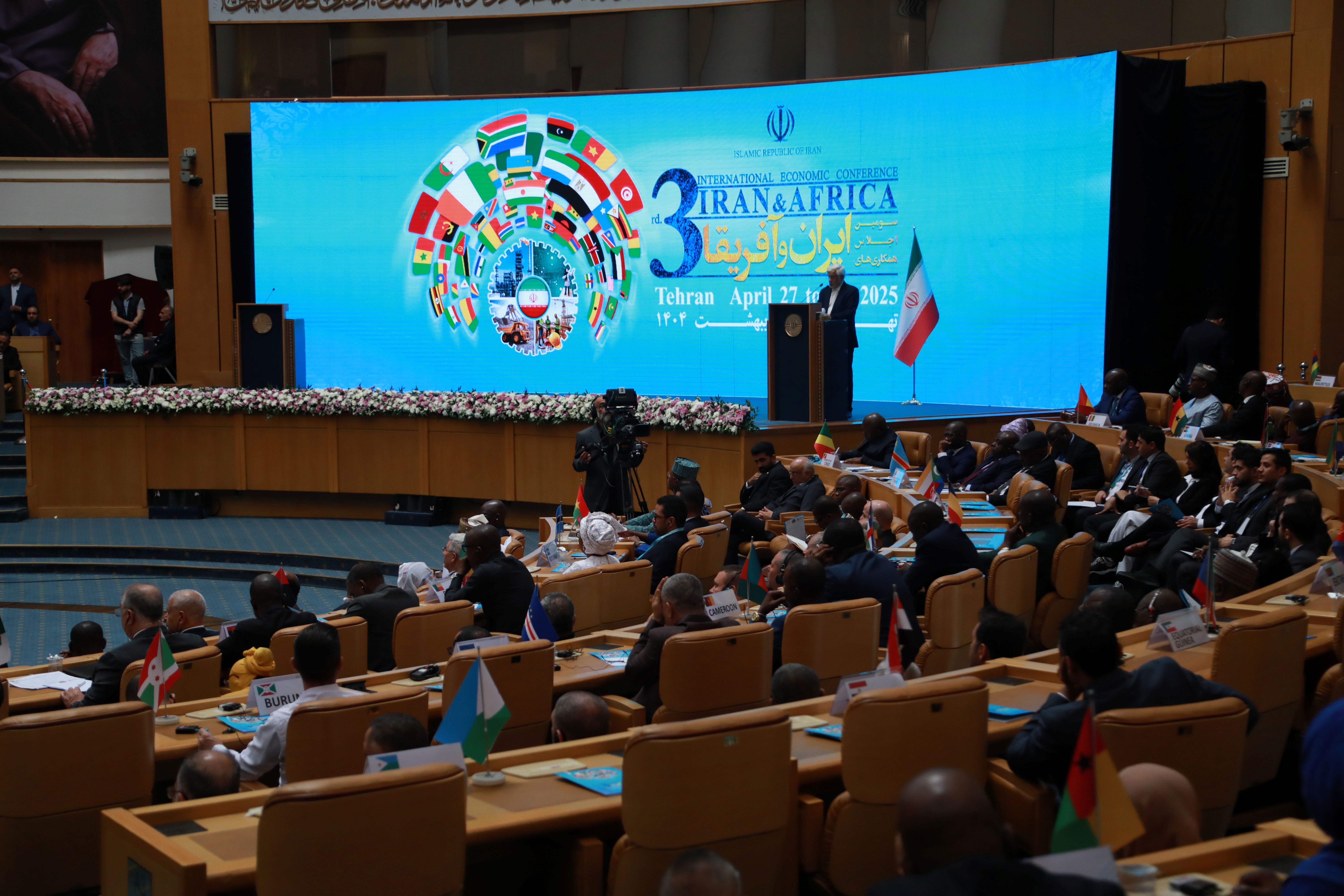
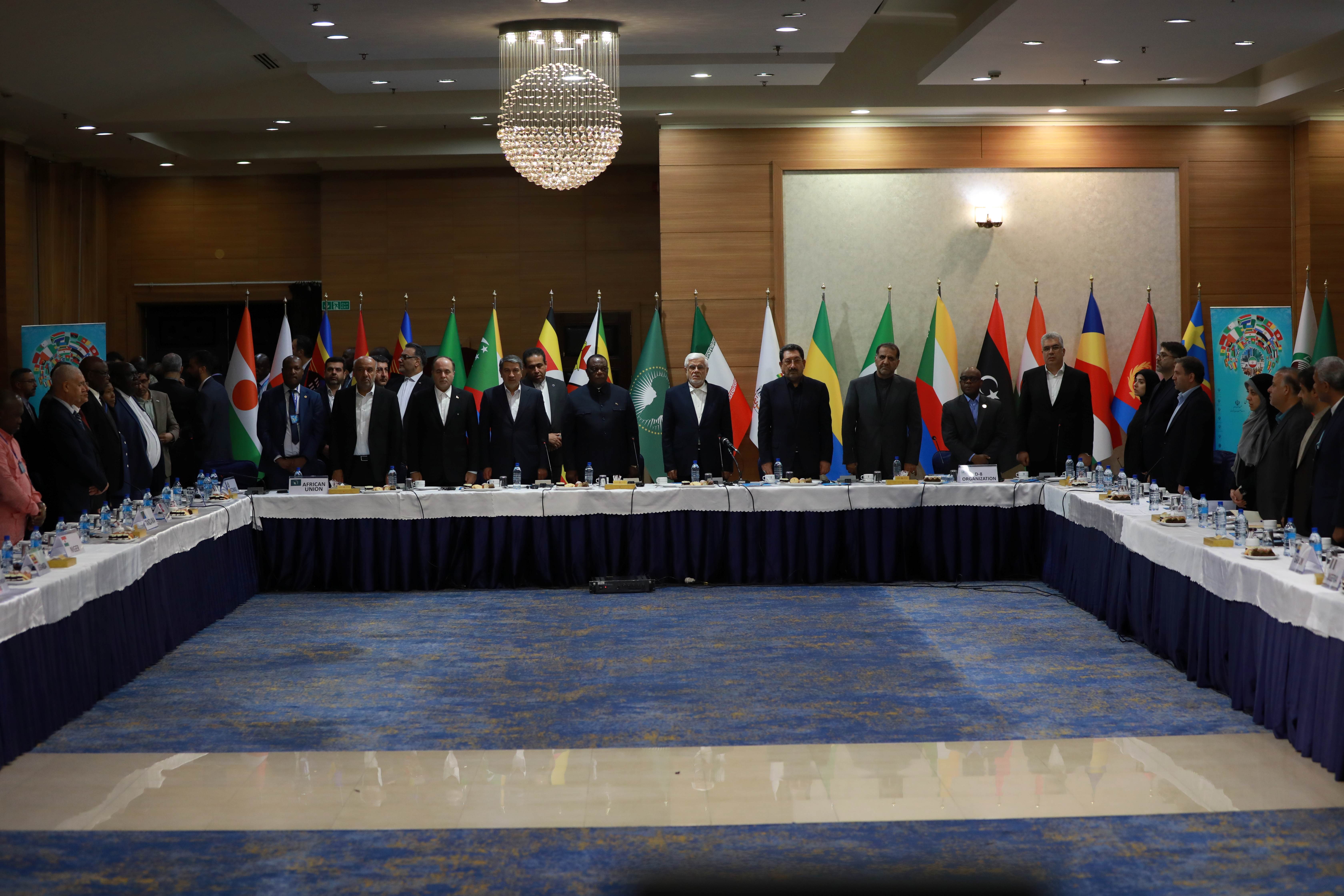
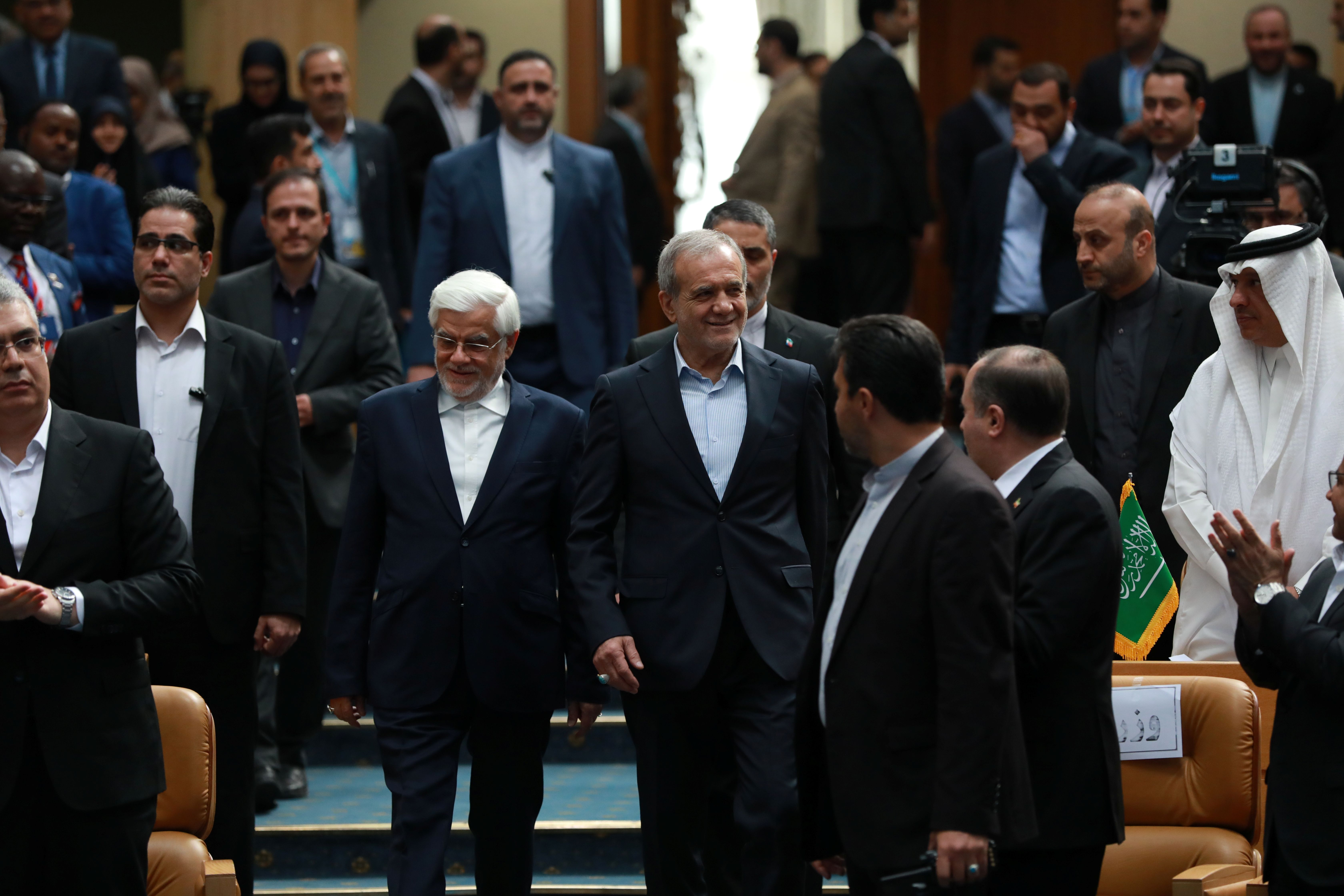
The Third Iran and Africa Conference officially began with an opening ceremony. High-ranking Iranian officials and representatives from 35 African countries were present, emphasizing the importance of continuing cooperation and setting the stage for negotiations and sessions. The opening included the national anthem, local musical performances, a peace theatre performance, and welcoming speeches.
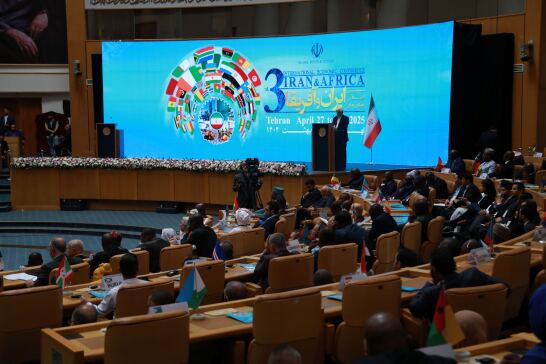
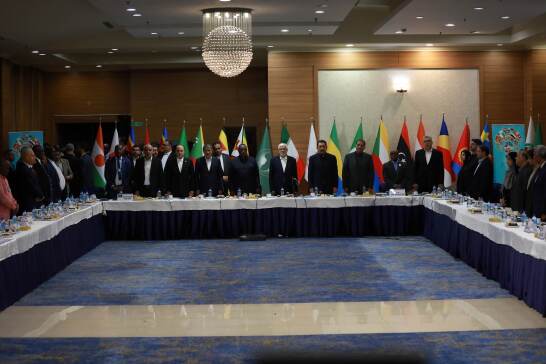
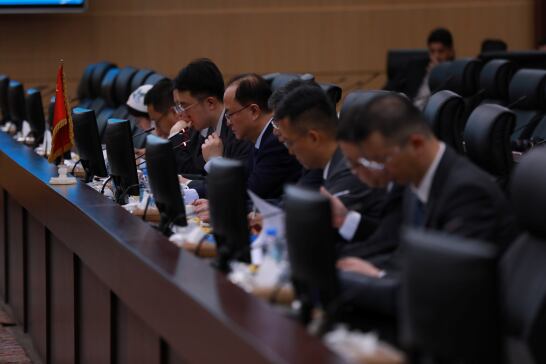
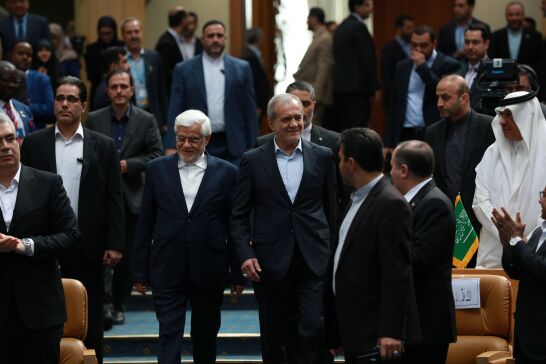
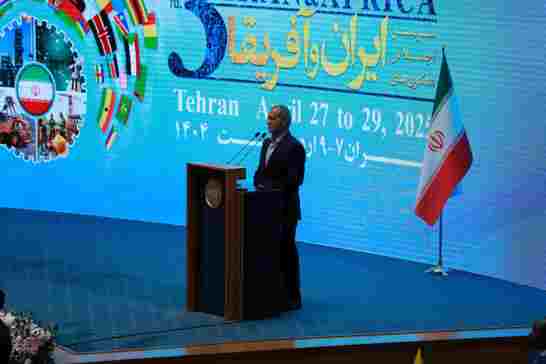
Senior leaders from both Iran and African countries delivered speeches focused on: strengthening economic relations, developing trade infrastructure, investment in energy and technology sectors, expanding scientific and cultural cooperation. These speeches outlined a clear vision for future relations and provided the basis for more detailed discussions during the conference.
Opening Ceremony
Speeches by Officials
B2B Meetings
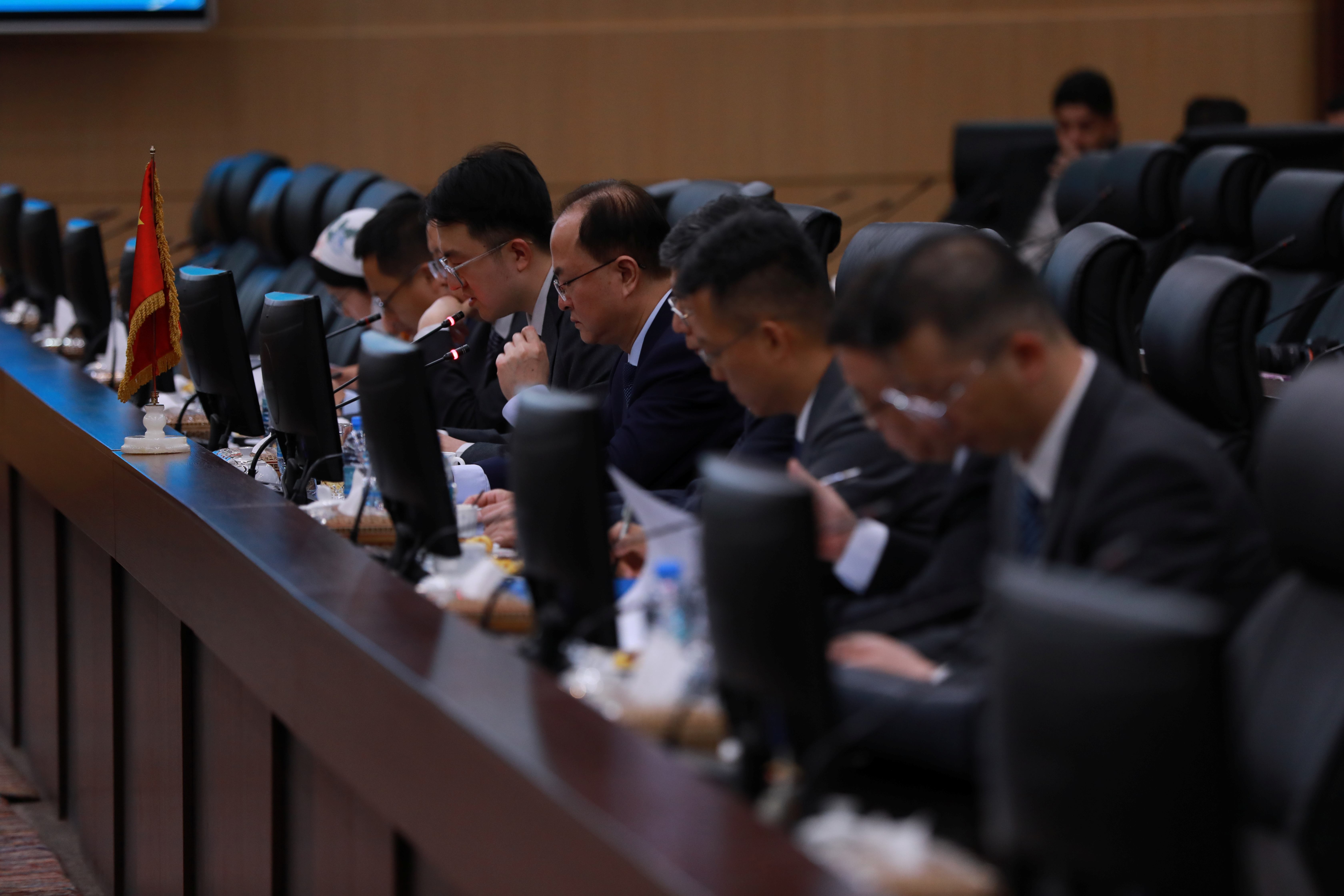
One of the most important parts of the third conference was the face-to-face meetings (B2B) between Iranian and African traders, companies, and investors. These sessions provided an opportunity to present economic capabilities, propose trade plans, and explore possible joint collaborations, playing a significant role in realizing agreements.
Signing of Contracts and MOUs
During the third conference, several cooperation agreements and Memoranda of Understanding (MOUs) were signed between companies and organizations from both sides. These agreements were mainly in the fields of: trade in goods, energy, technical-engineering services, transportation, new technologies, and are considered practical steps toward sustainable cooperation.
Trip to Isfahan & Closing Ceremony
On the ninth of Ordibehesht, the delegation of traders left Tehran for Isfahan. During this trip, they visited tourist attractions as well as major industrial factories and centers in the province, and additional B2B meetings were held successfully. At the end of the event, representatives from both sides reviewed achievements, reaffirmed their shared commitment to pursue the agreements, and concluded the conference before returning to their home countries.
Conclusion
The Third Iran and Africa Conference once again showed that the relationship between Tehran and the African continent has broad potential for growth and development. The event not only produced tangible outcomes such as economic contracts but also laid the groundwork for expanding strategic and sustainable relations across various sectors.
Documentry - Iran Afric - 1404
دبیرخانه اجلاس، همواره در تلاش است تا مسیر همکاریهای اقتصادی ایران و آفریقا را هموار ساخته و با وجود فراز و نشیبهای پیش رو، افق تازهای از تعامل، توسعه و همگرایی را رقم بزند.
کلام دبیرخانه